Stress Detector for Houseplants
Stress Detector for Houseplants
Plant stress is a well defined concept. Stress happens when a plant organism is overwhelmed by accumulating oxygen radicals. In that situation the normal biochemical processess that neutralize oxygen radicals cannot cope and the plant’s cells are damaged. When stress persists this damage can be permanent and lead to widespread cell death. The plant will stop growing, will not flower, not reproduce and finally die.
Stress is detectable biochemically well before actual symptoms are visible, but this requires a substantial amount of plant tissue to be sacrificed for analysis, making it infeasible for houseplants.
Stress is also detectable indirectly by measuring the negative impact it has on the photosynthetic processes of the plant. During times of high stress photosynthesis slows down or may come to a halt completely, even if light is abundant. This can be measured with expensive optical equipment without damaging any plant tissue, but the price of these devices is too high to be of interest to houseplant owners.
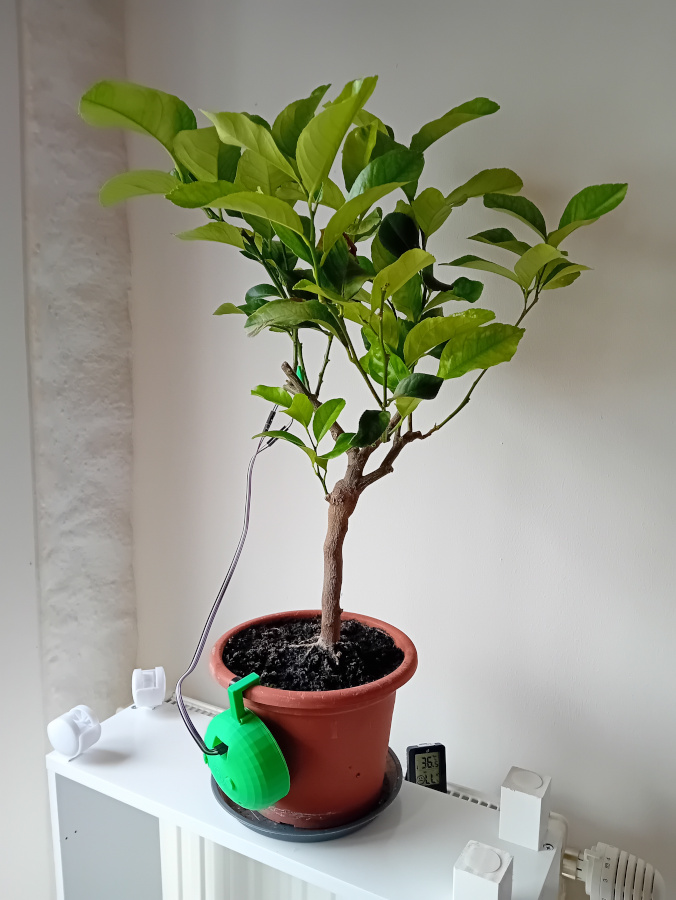
We at the Phyclops Project have found a way to detect plant stress using tiny electrodes attached to a branch or stem. Since these electrodes are small they are harmless and cause no significant damage to plant tissue. Through them we can recognize specific patterns in the electrical signals plants send through their bodies to communicate, very similar to the electrical singnaling that happens in animal nervous systems.
Our method allows you to see plant stress within the first two to four hours after it first appears and usually days or weeks before any physical symptoms such as leafloss or wilting become visible, giving you enough time to identify and remove the most likely source of the stress.
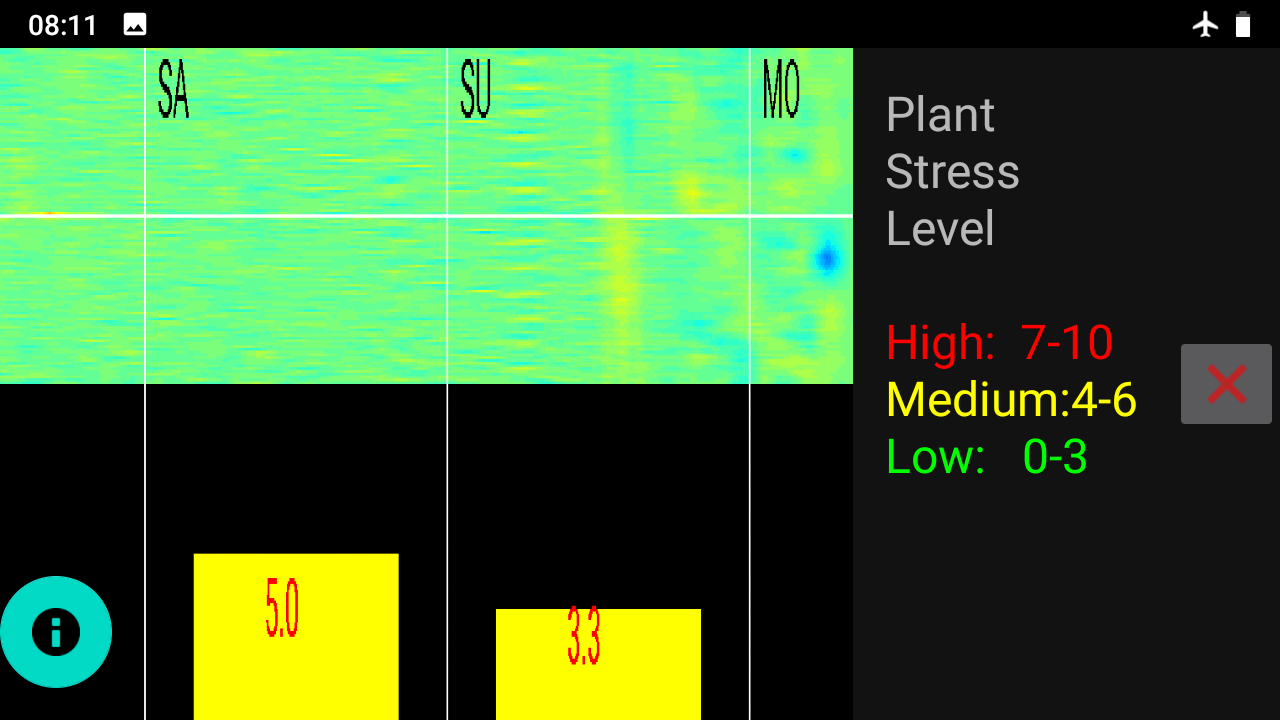
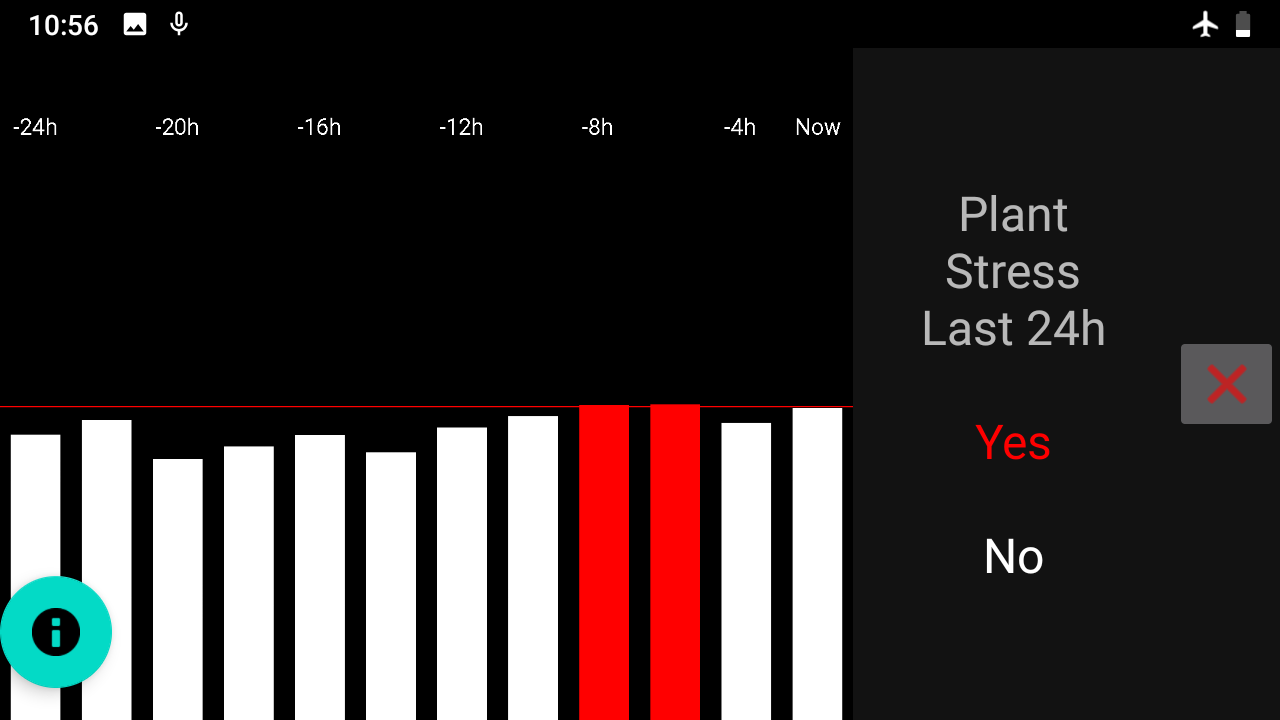
Our plant stress detector, [link]the PhyclopsHOME-SDv01[link], is best used right after you have bought a new plant for your home and need to find the right spot for it. Pick a place for your new plant, connect the detector and for the next two to three days observe the stress levels. If stress is low, you have found the right spot and you can disconnect the detector. If stress is high you should move the plant to a different spot and again monitor stress levels for two to three days. Do this until you have found a spot where the stress levels are lowest. That is the place your plant likes best.
